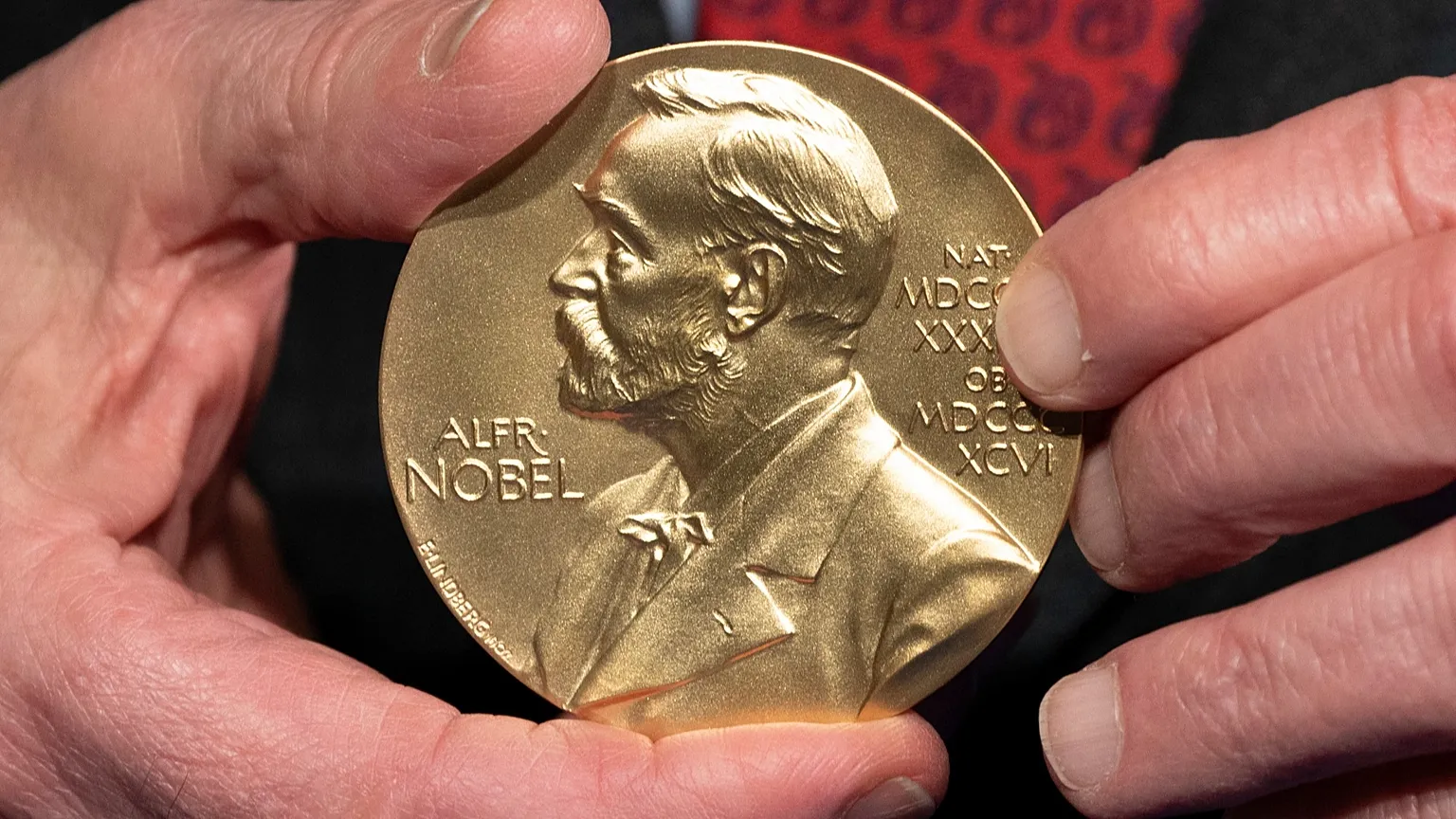
For more than a century, the Norwegian Nobel Committee has deliberated its Peace Prize selections behind closed doors, keeping dates, discussions, and decisions secret — until now. Ahead of Friday’s announcement, the BBC and Norway’s national broadcaster were granted exclusive access to observe the committee as it convened at the Nobel Institute in Oslo, offering a glimpse into a tradition spanning 125 years.
The committee, consisting of five members and a secretary, gathers in a room adorned with oak furniture and a chandelier unchanged since the first award, surrounded by portraits of past laureates and a blank space reserved for the upcoming winner. Under the watchful eyes of Alfred Nobel’s portrait, the members begin their final deliberations, closing a months-long selection process.
Chairman Jorgen Watne Frydnes describes the proceedings as intense yet civil:
“We discuss, we argue, there is a high temperature, but also, of course, we are civilised, and we try to make a consensus-based decision every year.”
The committee carefully reviews the criteria outlined in Nobel’s 1895 will: the award is to honor those who have promoted fraternity between nations, reduced standing armies, or advanced peace congresses.
Donald Trump in the Spotlight
This year, one figure looms particularly large: Donald Trump. The former U.S. president has repeatedly claimed he deserves the Peace Prize, citing conflicts he claims to have resolved, and his supporters at home and abroad have submitted nominations and public endorsements. Leaders including Benjamin Netanyahu, Azerbaijan’s president, and Pakistan’s government have openly suggested he merits the award, while some of his own aides have lauded him as the “single finest candidate” in the award’s history.
Despite the unprecedented attention, Frydnes emphasizes that public pressure is nothing new:
“Every year, we receive thousands of letters, emails, requests, people saying 'this is the one you should choose'… We feel that the world is listening, and the world is discussing, and discussing how we can achieve peace is a good thing. And we have to stay strong and principled in our choices… that’s our job.”
Independence and Historical Precedent
The Norwegian committee is appointed by the country’s parliament, and members, often retired MPs, strongly guard their independence. Frydnes himself has previously criticized crackdowns on freedom of expression, even calling out Trump. There is also awareness of potential backlash: in 2010, when Chinese dissident Liu Xiaobo received the award, Beijing froze diplomatic ties and imposed economic sanctions on Norway for six years.
While Trump has many supporters, both domestic and international, experts suggest the odds of him winning remain low. Nina Graeger, director of the peace think tank PRIO, notes that his polarizing nature and the committee’s principled approach make a Trump victory unlikely.
This rare behind-the-scenes access illustrates the careful, often tense process of awarding the world’s most prestigious peace honor, balancing public attention, international pressures, and a century-old commitment to principled decision-making.