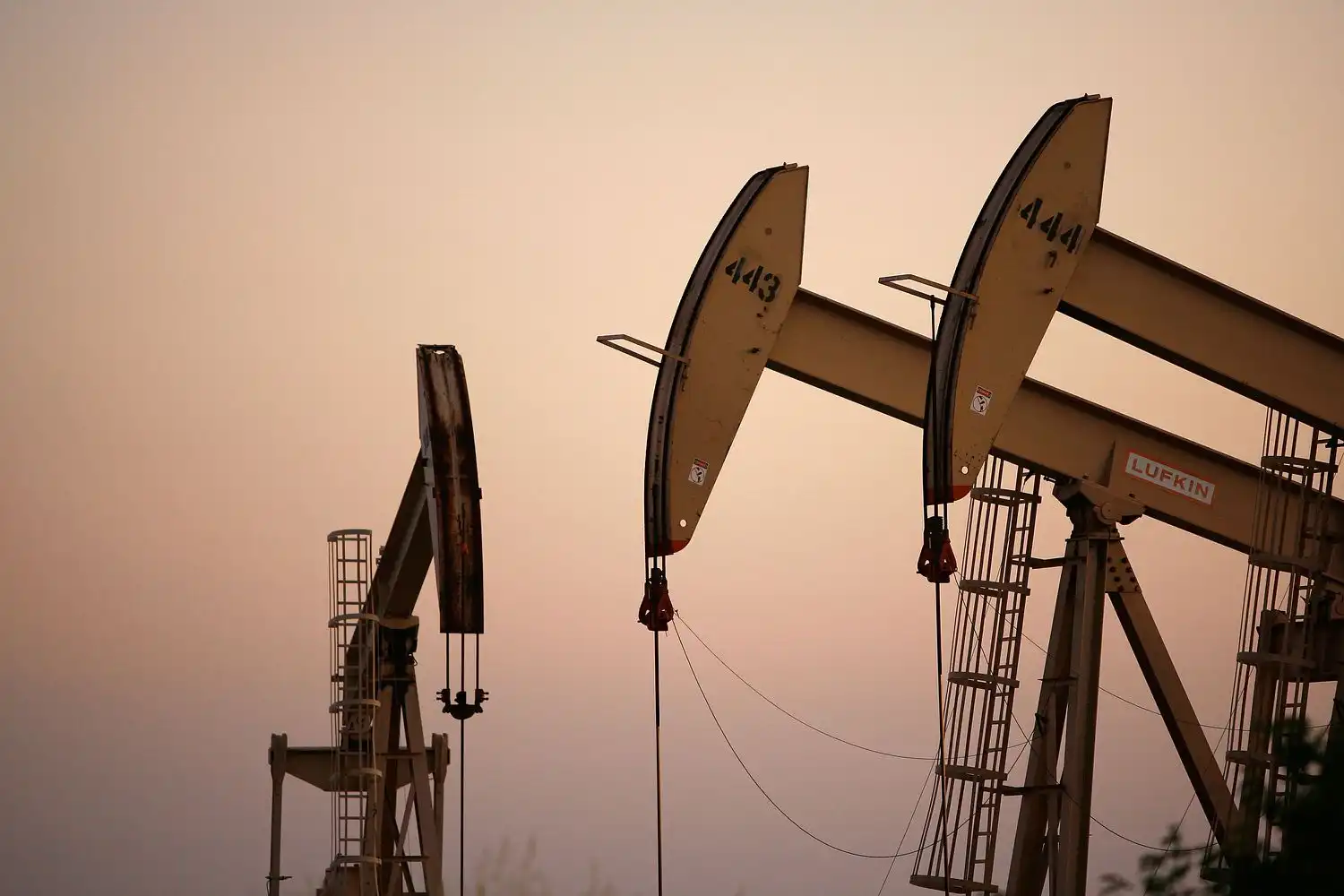
A sharp surge in global oil prices to around $140 per barrel for two months could push several major economies into a mild recession, according to a new analysis by Oxford Economics.
Economists Ben May and Ryan Sweet said the combination of higher oil prices, rising natural gas costs, and wider financial market stress could significantly slow global growth.
Global Growth Could Drop Sharply
In a simulated scenario where oil prices spike to $140 per barrel for two months, the report found:
- Global GDP would decline by about 0.7% by the end of 2026
- Several advanced economies would experience mild recessions
- The United States economy would slow to near-zero growth
Regional Impact
| Region | Expected Impact |
|---|---|
| Eurozone | Mild economic contraction |
| United Kingdom | Mild recession |
| Japan | Economic contraction |
| United States | Growth nearly stalls |
The slowdown would be driven by higher inflation, weaker consumer spending, and increased business costs, particularly in energy-dependent sectors.
Strait of Hormuz Is a Key Risk
The report highlights the Strait of Hormuz as a critical factor in determining how severe the shock could become.
Roughly one-fifth of the world’s oil supply passes through this narrow waterway, making it highly sensitive to geopolitical tensions in the Middle East.
According to the economists, the speed of recovery in global growth would depend on:
- How quickly shipping resumes through the Strait of Hormuz
- How fast oil prices return to normal levels
- Whether supply-chain disruptions ease
- Stabilization in financial markets
A Less Severe Scenario: $100 Oil
Oxford Economics also modeled a less severe scenario in which oil prices rise to about $100 per barrel for two months.
Under this scenario:
- Global GDP growth would slow slightly
- Inflation would increase modestly
- The world economy would avoid recession
Instead, global growth would decline by a few tenths of a percentage point, mainly due to higher energy costs.
Why Oil Shocks Still Matter
Despite improvements in energy efficiency over recent decades, large oil price shocks can still ripple through the global economy by:
- Raising transportation and manufacturing costs
- Increasing inflation pressures
- Reducing consumer purchasing power
- Tightening financial conditions
These effects can amplify economic slowdowns, especially when they occur alongside geopolitical tensions or supply disruptions.
Key Takeaways
- Oil prices rising to $140 per barrel for two months could push parts of the global economy into mild recession.
- Global GDP could fall 0.7% by the end of 2026, according to Oxford Economics simulations.
- The Eurozone, UK, and Japan would likely contract, while the U.S. economy could nearly stall.
- A milder scenario of $100 oil would slow growth but avoid global recessions.